




April 21, 2020
The End of the Beginning
The End of the Beginning

In late October 1942, Allied forces under General Bernard Montgomery faced off against the tank-based juggernaut of Axis powers Field Marshal Erwin Rommel’s Panzerarmee Afrika. Plowing across North Africa, the field marshal had suffered some minor setbacks—most notably three months earlier on this same battlefield near El Alamein, Egypt. However, he was yet to suffer a significant defeat. That was about to change.
After a number of days under heavy bombardment by the Allied troops, the German army was becoming demoralized and was facing a major petrol shortage—a necessary resource for a tank army. Then, when night fell on November 1, Montgomery attacked. The fighting was fierce as “Monty’s” infantry and armor pushed forward. And by the next day, Rommel realized he was done. Without waiting for permission from the Führer, the panzerarmee retreated. Rommel was defeated.
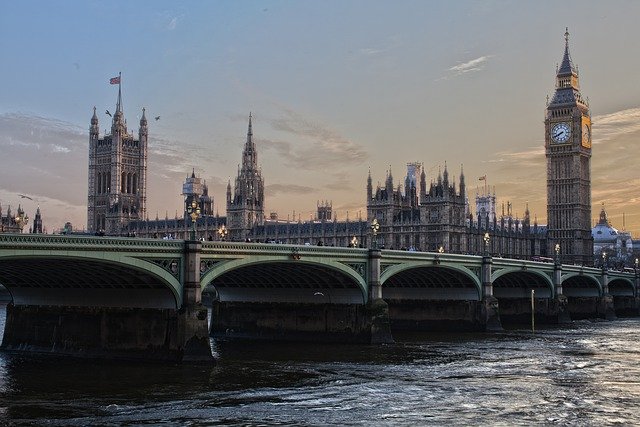
The joy was great in London. At a speech given on November 10, 1942, at the Lord Mayor of London’s Mansion House, Prime Minister Winston Churchill celebrated with these measured words: “Now this is not the end. It is not even the beginning of the end. But it is, perhaps, the end of the beginning.”
As I listen to the governments of both Israel and the United States rolling out their plans to start back up their respective economies, these famous words of one of the great wartime leaders of all generations came to my mind. Are we now approaching the end of the beginning in the COVID-19 timeline?
As much as I would love to say that we are near the end of this global pandemic, I don’t believe that is accurate. It may be true that the world is finally getting a greater grip on the virus itself. New means of testing, the repurposing of existing medications, and potential vaccines and treatments seem to be taking over the headlines that were previously reserved for current death tolls and future death projections. In many countries, the “curve” has been flattened or may even be starting its descent. Rather than stores facing long lines for hand sanitizer and toilet paper, American government buildings are seeing long lines of cars filled with people protesting for the return of their lost freedoms.
The winds of this pandemic are changing, and that is a reason to celebrate. However, like the formerly mechanically ventilated COVID-19 patient, we too realize that getting out of the hospital does not mean that all is now back to normal. There is a long recovery process ahead. The pandemic was the beginning. We are drawing closer to the end of the beginning, but that doesn’t mean that life is going to quickly return to how it once was.
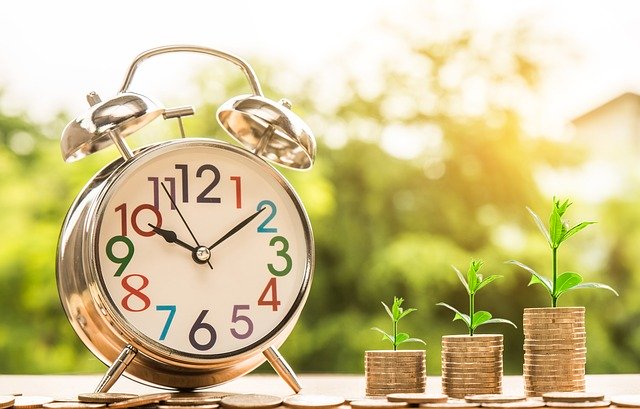
Financially, we still don’t know exactly how we are going to restart our economies. We’ve never seen anything like this before, where in a span of a few weeks the world’s economy shut down, only to have the key turning the ignition again just a couple months later. Can the hospitality, travel, and vacation businesses be saved? How will arts and entertainment delivery shift? Are universities going to be forced to go more online?
Socially, will distancing remain with us? Are we ever again going to see 115,000 cheering Wolverine fans crammed into the University of Michigan stadium? Will hand shaking end as an expected social grace and instead become an offensive medical threat? Will designer masks become the new medium for the younger generations to express their individuality?
Even when WWII finally came to an end after all the treaties were signed, the world never returned to how it once was. It achieved normalcy, but it was a new normal. We are approaching the end of the beginning, but we are nowhere near the end. And even when we do reach normalcy once again, I don’t expect the world to ever again look like it did in December 2019. What will be the extent of the changes? That’s impossible to know. As Christians, though, we must remember one thing—no matter how much the world changes around us, our God will never change. The pre-coronavirus God is the same as the mid-coronavirus God, who will be the same as the post-coronavirus God. As long as we are holding on to our solid Rock, we will be able to handle any shifts and twists the world may throw our way.
