




September 10, 2024
Q & A with Christian Author Jerry B. Jenkins
Q & A with Christian Author Jerry B. Jenkins
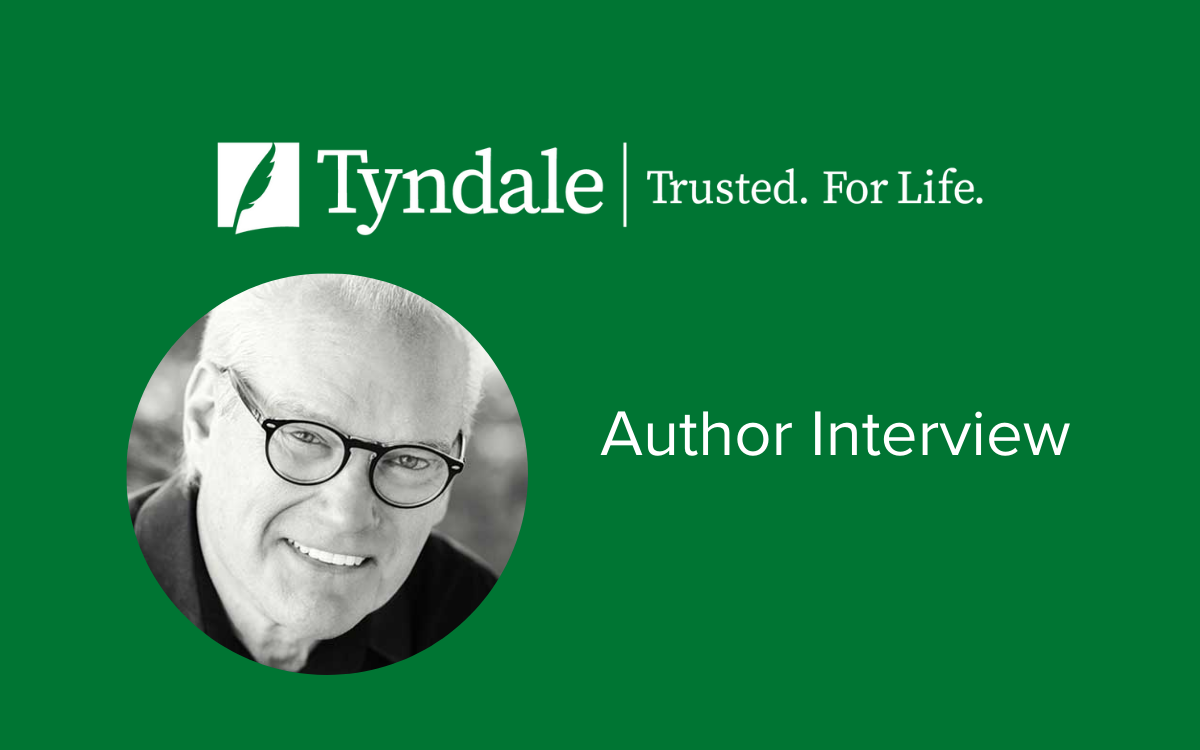
Jerry B. Jenkins, former vice president of publications at Moody Bible Institute in Chicago and current chairman of the board, is the author of more than 175 books, including the bestselling Left Behind series. Twenty of his books have reached the New York Times bestseller list (seven of them at number one). His books have also appeared on the bestseller lists of USA Today, Publishers Weekly, and The Wall Street Journal. “Desecration,” the ninth book in the Left Behind series, was the best-selling book in the world in 2001. His nonfiction books include biographies based on conversations with Hank Aaron, Bill Gaither, Orel Hershiser, Luis Palau, Joe Gibbs, Walter Payton, and Nolan Ryan, among many others.
In this insightful interview, we sit down with the co-author of the bestselling Left Behind series to explore his journey into writing, faith, and inspiration. He shares how Dr. Tim LaHaye’s vision sparked the apocalyptic saga and the unique balance between biblical truths and gripping storytelling, along with he discusses the distinct approaches to writing fiction and nonfiction. As we look forward to the re-release of his upcoming book Hedges, a passionate call for safeguarding marriages, the author opens up about his creative process, faith, and the exciting new projects on the horizon.
What called you to write the bestselling apocalyptic series, Left Behind?
The idea was that of bestselling nonfiction writer Dr. Tim LaHaye. I got the fun part, writing the novels while he kept me on track biblically and theologically.
How does your approach differ when writing fiction compared to nonfiction? Are there different challenges or rewards in each genre?
With fiction I am what’s called a Pantser [I write by the seat of my pants—trying to put interesting characters in difficult situations and writing to see what happens]. For nonfiction I am an Outliner, carefully scoping out the entirety of the book before writing.
This month, we are releasing your book Hedges, on protecting marriages. What influences your nonfiction writing?
I write about what I’m passionate about—in this case husbands recommitting themselves to their wedding vows and honoring their wives by being proactive about avoiding infidelity.
Who has inspired you in what a healthy view of marriage looks like?
My own parents modeled a beautiful relationship. Each considered themselves unworthy of the other and treated each other with deep love and respect.
What is a piece of marriage advice that you believe is most important for Christian couples today?
I think one of the key principles in Hedges is a reminder that even God doesn’t expect men to resolve or stand and fight against sexual temptation, but He actually commands us to “flee sexual immorality” (1 Corinthians 6:18, NASB). No more agonizing, praying over it, turning over new leaves, etc. Run!
Can you describe your typical writing routine?
I write from dawn to noon, beginning with a heavy edit and rewrite of what I wrote the day before. I’m a perfectionist during the revision process. Then I take off that proverbial perfectionist cap to get back to the rough-draft writing.
How does your faith fuel your creativity?
It’s actually the reason I do what I do. I am not called to writing, but rather I’m called to full-time Christian service. I use my writing gift to fulfill that call.
Are there specific spiritual practices that you find particularly beneficial to your writing process?
My daily prewriting quiet time takes the form of reading two biblical devotionals and then praying through a lengthy list. I also try to surrender myself to the leading of the Holy Spirit while writing—my version of the muse other writers talk about.
How do you develop your characters, particularly in your fiction works? Do you have a specific process for creating relatable and dynamic characters?
As a Pantser (see above), I don’t develop them. Rather, they reveal themselves to me as I put them in difficult situations. I know it sounds a bit mystical, but I try not to over-analyze this. It’s fun to imagine myself as each character, regardless of age or even gender, and try to determine what I would say or do in each situation.
Has your writing changed over the years? Are there specific ways you’ve seen your style or approach change?
I tend to become more and more of a minimalist every day, trying to use the fewest words to communicate the most.
Do you see your works as “evangelistic”? How do you ensure that your faith-based messages resonate with a broad audience, including those who may not share the same beliefs?
The key to writing to a broader, less initiated readership is to acknowledge where they’re coming from. Accordingly, I avoid insider church lingo, and when I must get into theology, I acknowledge, “This may sound strange; however, I believe that . . .”
In the Left Behind series, it was important to include credible skeptical characters who did not, in the end, miraculously convert. That’s real life, and many readers identified with them—and several did come to faith because their questions were acknowledged.
Can you share a moment when your faith significantly shaped a particular piece of writing?
If my faith doesn’t shape every bit of my writing, I feel I’ve failed.
Are there any upcoming projects you’re particularly excited about? Can you give us a sneak peek into what you’re working on next?
I’m writing a novel to accompany each of the seven seasons of The Chosen TV series, created by my son Dallas. I’m also in the talking stages with a renowned theologian about writing novels to tell the entirety of the biblical story from the pre-creation Fall of Satan through Revelation.


